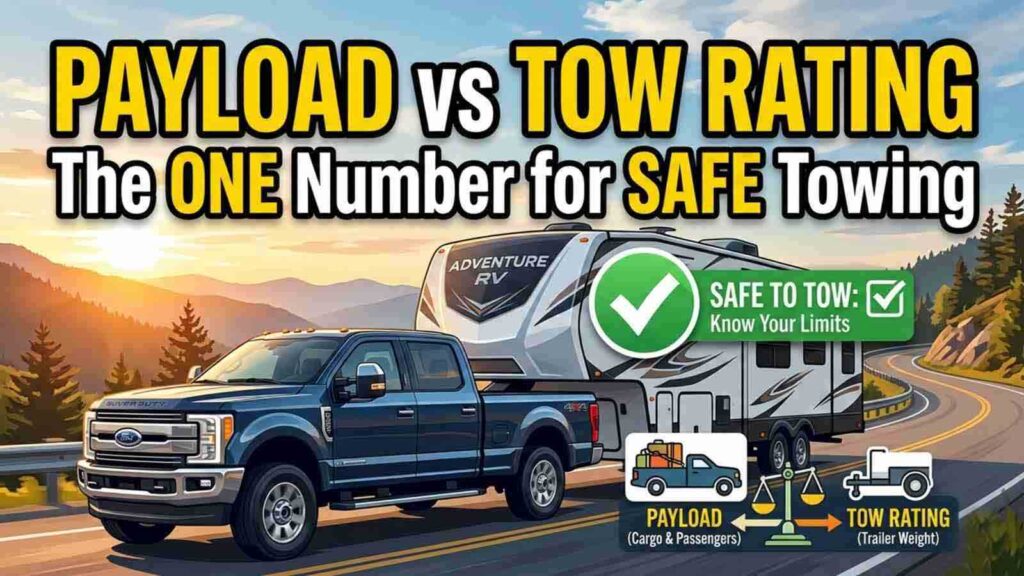
Payload vs Tow Rating: The Number That Actually Determines If You’re Safe to Tow
Most truck owners check their tow rating before buying a trailer. Almost none of them check their payload. That gap — between what the sticker
Most truck owners check their tow rating before buying a trailer. Almost none of them check their payload. That gap — between what the sticker
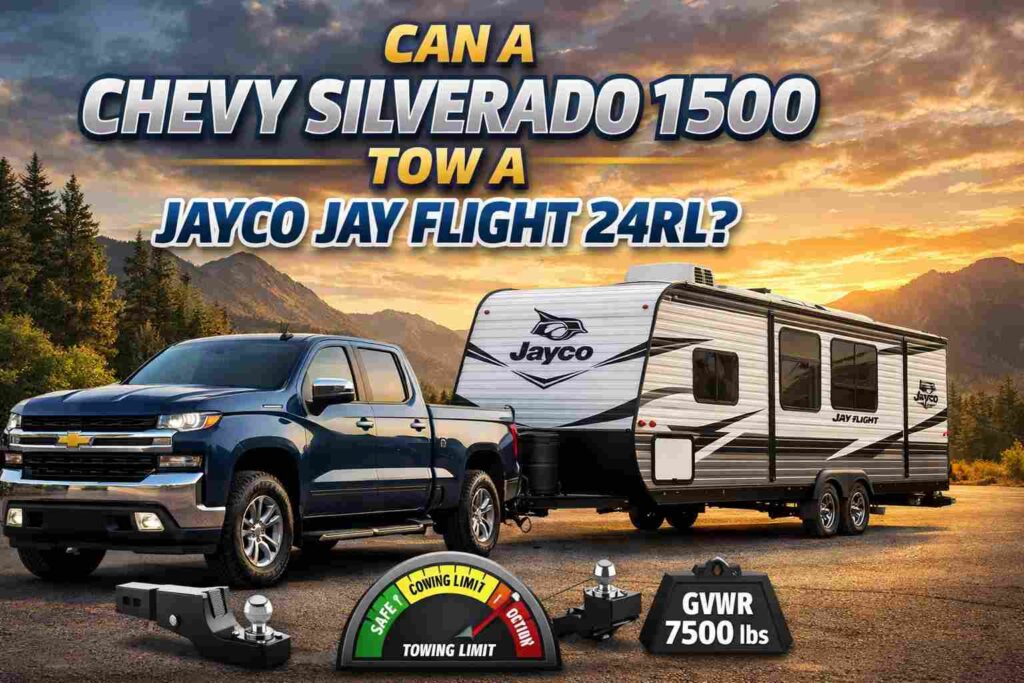
A Silverado 1500 can tow a Jayco Jay Flight 24RL, but whether it can do it safely comes down to one number most buyers never check: door-sticker payload.
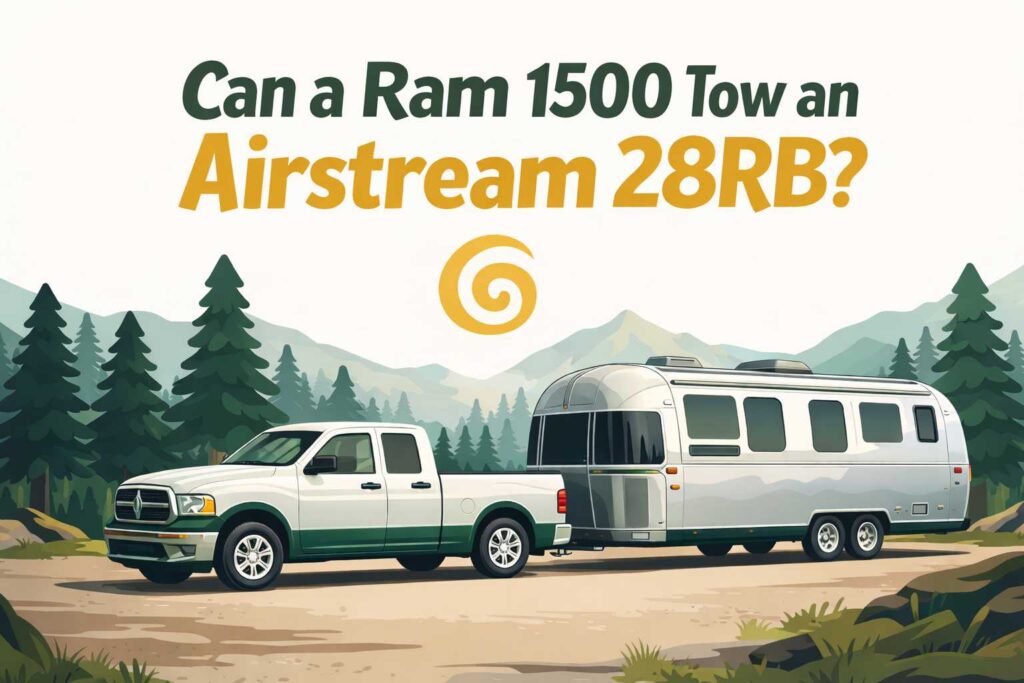
On tow rating, a Ram 1500 5.7L HEMI looks like an easy match for an Airstream 28RB. Payload is the real limit, and the margin can be under 200 lbs.
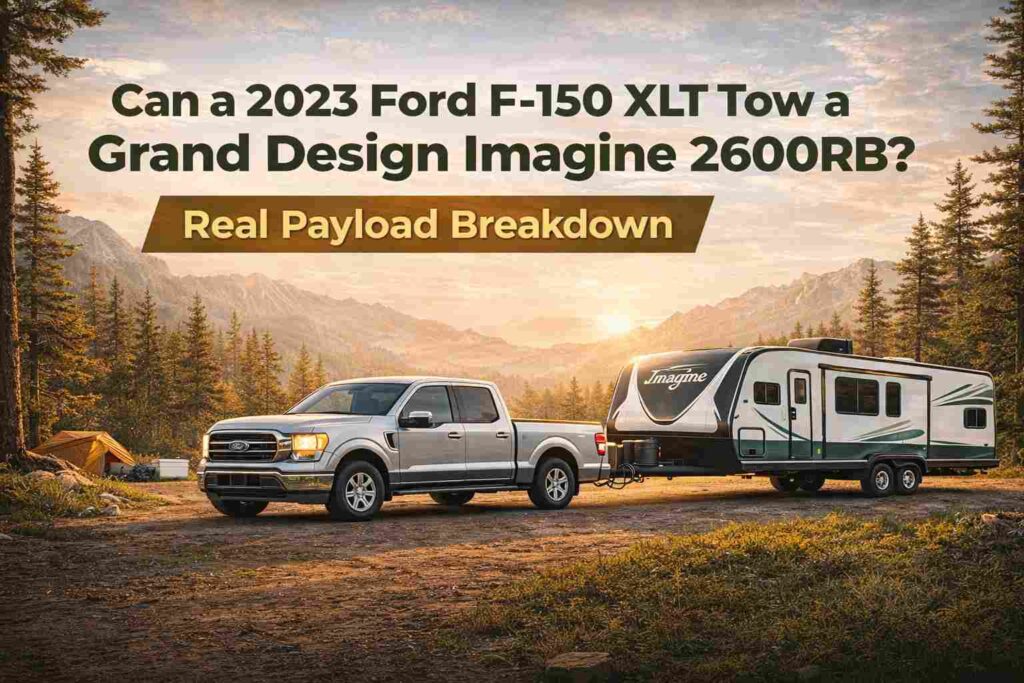
On paper, a 2023 F-150 XLT handles a Grand Design Imagine 2600RB easily. Run the payload math and most XLT owners land within 100–200 lbs of their limit.

If you own a half-ton truck (F-150, Silverado 1500, Ram 1500, Tundra, Sierra 1500), you’ve probably seen the same pattern: the brochure says your truck
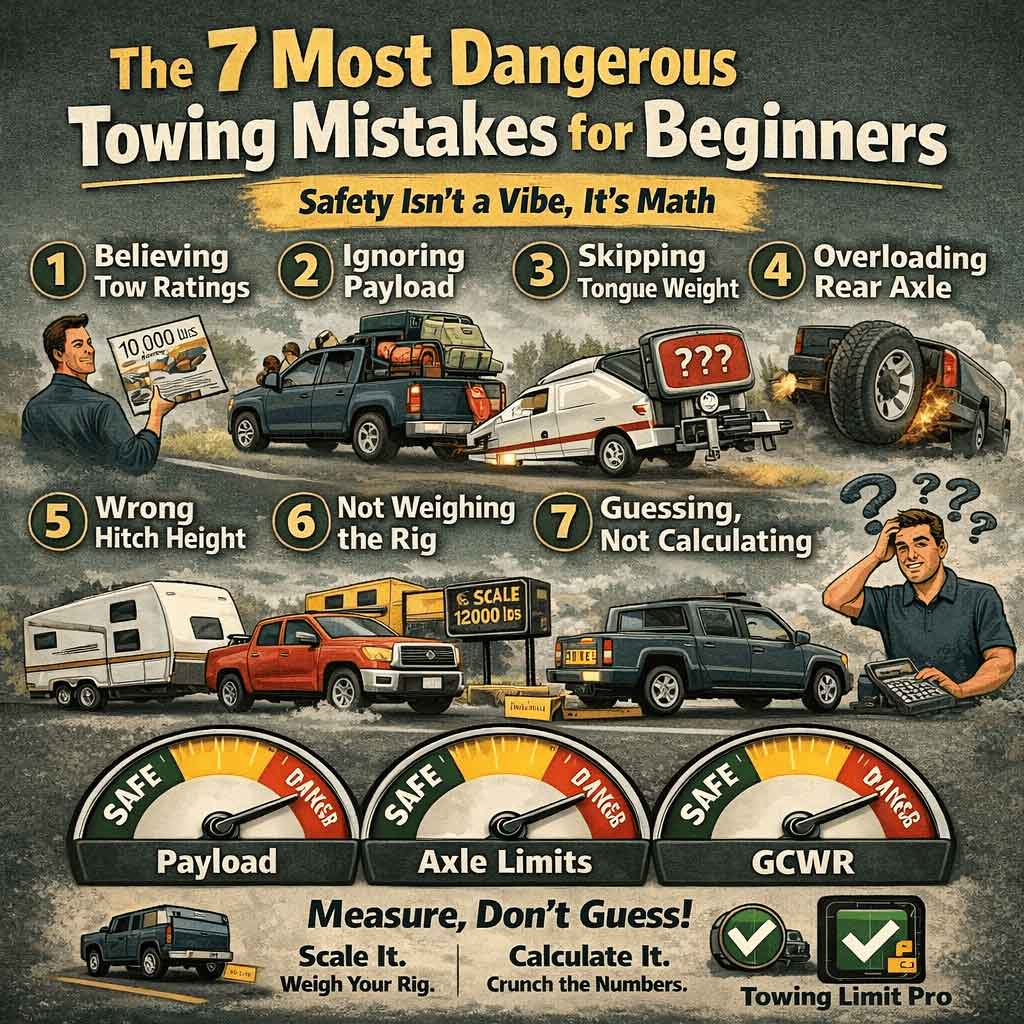
Most towing problems come from bad numbers: trusting tow ratings, ignoring payload and axle limits, guessing tongue weight and skipping the scale. Here is how to fix each.
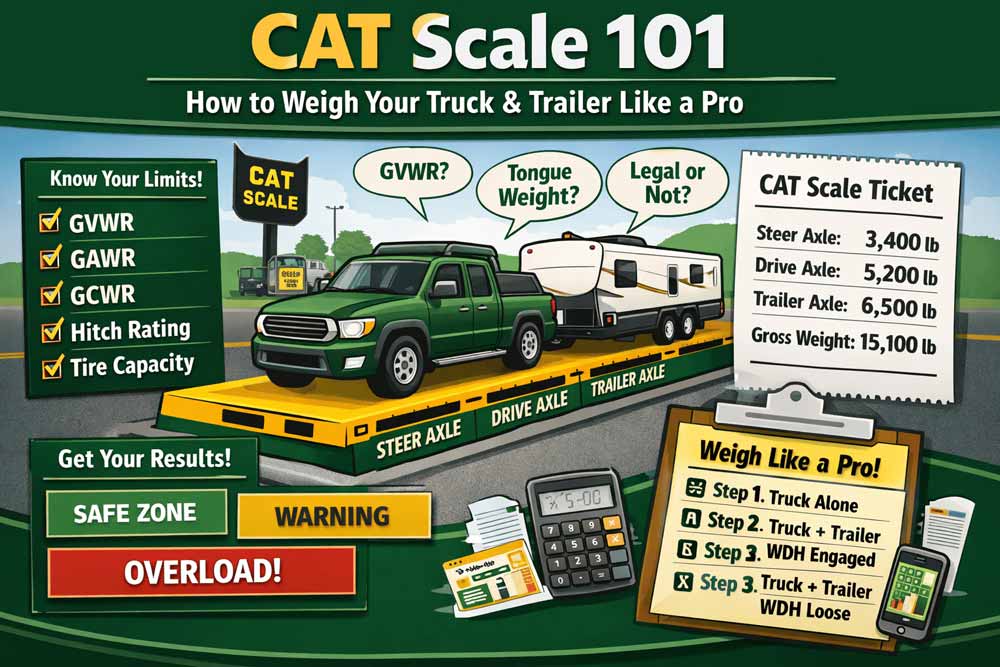
Towing safety is math, not guesswork. How to weigh your truck and trailer at a CAT Scale, read the ticket, and confirm real axle loads and tongue weight.
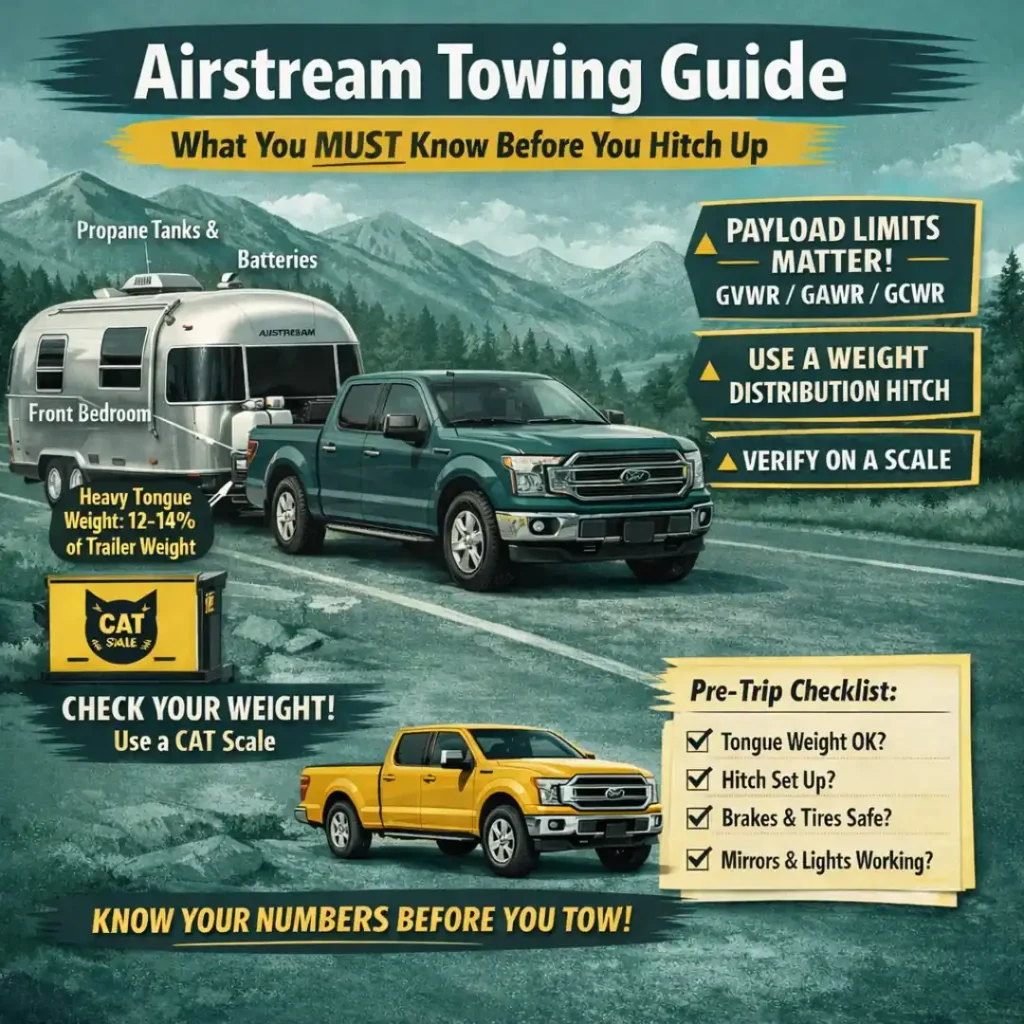
Airstreams are tongue-heavy, often 12–14% of trailer weight on the hitch, which eats payload fast. What to check before you hitch up, from payload to a scale weigh.
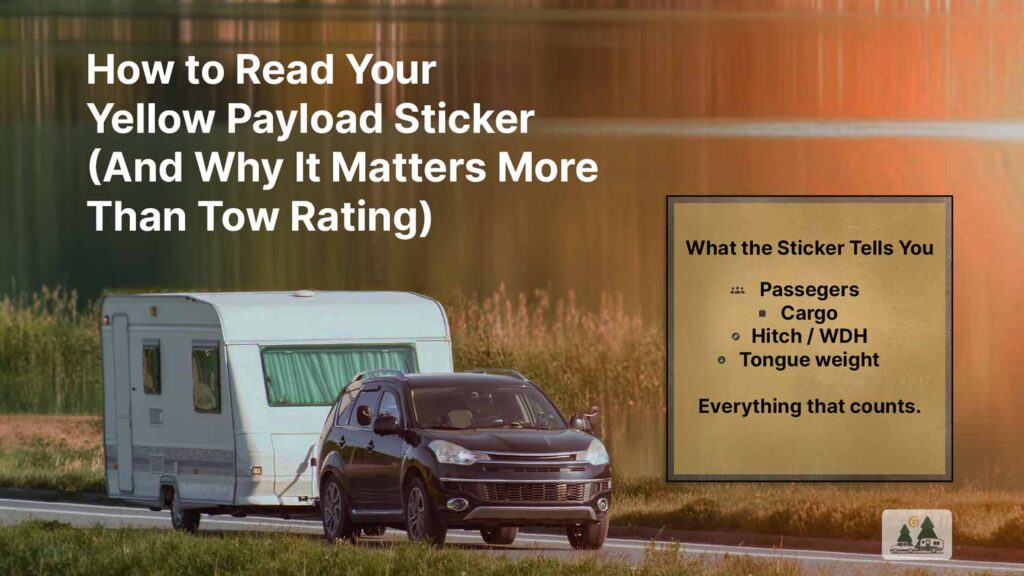
If you only look at the big, shiny tow rating, you can still end up dangerously overloaded. The real day-to-day limiter for half-tons and many
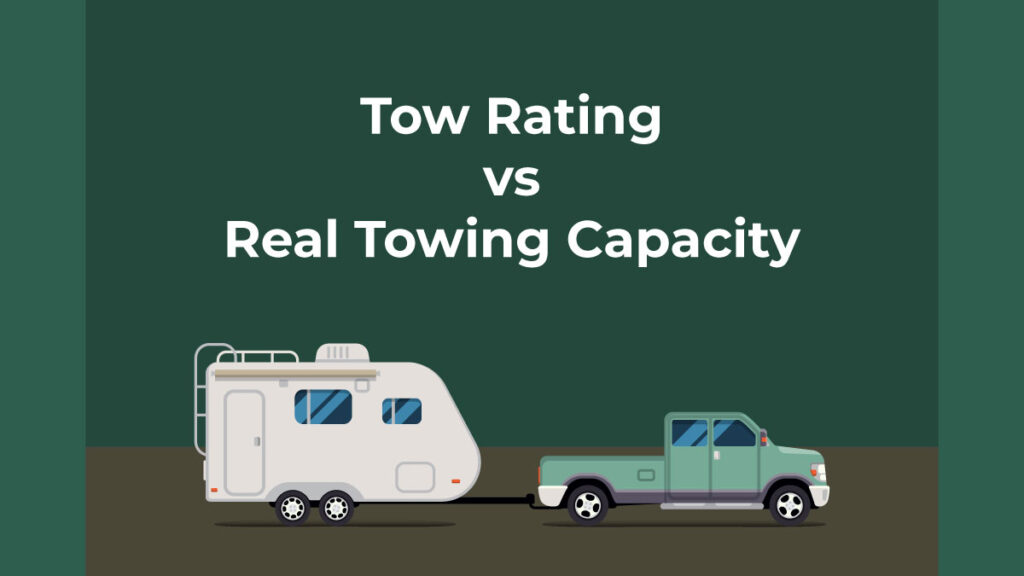
A tow rating is a best-case number from ideal test conditions, not your real limit. Payload, GVWR, GCWR and tongue weight explained in plain English.